

Do you know what is self-employed pension gap?
Some freelancers are neglecting their financial future, according to new research: nearly two-thirds of self-employed and freelancers are failing to save enough for retirement. The findings reveal that a significant proportion of this workforce are not prioritising their financial future, leaving them vulnerable in later life.
While the freedom of being your own boss is attractive, it often comes at the cost of the safety net provided by traditional employment.
Without a workplace pension scheme to automatically enrol in, many independent workers push retirement planning to the bottom of their to-do list. The immediate pressures of cash flow, tax returns and finding the next client often take precedence over retirement, which feels decades away.

A Growing Disconnect Between Intention And Action
The data paints a worrying picture for this part of the UK’s economy. Nearly 60% of self-employed individuals are not saving for their later years, instead relying on the State Pension or hoping their business will be sold to fund their retirement. More than 45% report having no private pension savings. Only about 17% of self-employed people currently contribute to a private pension.
Additionally, the research found that almost 49% of self-employed people do not know how much they need to save for later life, and almost 30% plan to rely solely on the State Pension. Worryingly, 38% feel anxious or concerned about their financial future once they stop working.
A Challenge Of Confidence And Clarity
The reality is that relying solely on the State Pension is unlikely to provide a comfortable lifestyle. As the cost of living rises, the gap between what the state provides and what is needed for a basic standard of living is widening, making personal provision essential.
The findings also highlight confidence issues: 27% of freelancers say they do not know how to set up a pension, and more than a quarter are unsure where to seek professional advice. These barriers can cause hesitation and mean many miss out on the benefits of regular, longterm saving.
Why Action Is Needed Now
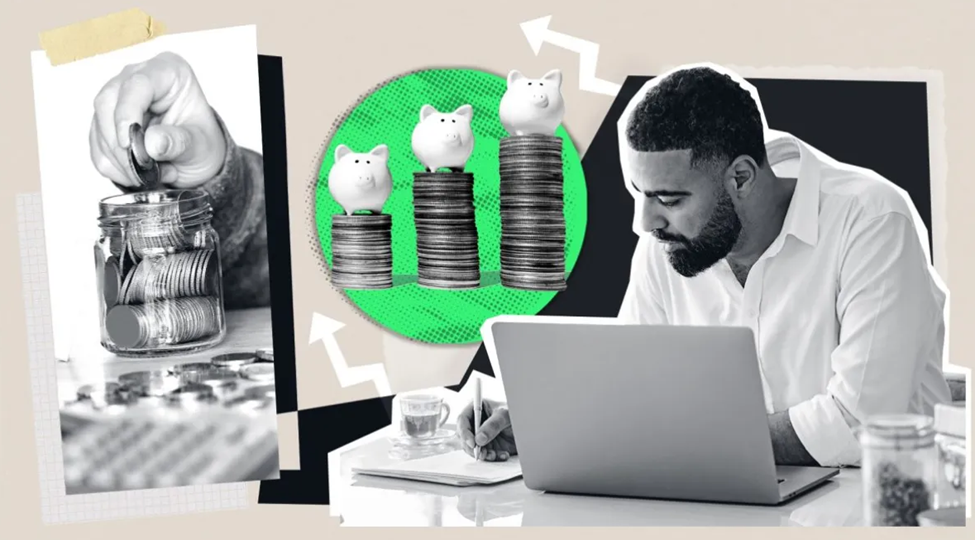
One of the biggest barriers cited is the lack of consistent income, which makes committing to regular monthly contributions feel daunting. However, modern pension providers are increasingly flexible, allowing ad hoc contributions that suit the feast-and-famine nature of freelance work.
Compound interest means that even small, irregular amounts saved early can grow significantly over time. Ignoring the issue does not make it go away; it simply compounds the problem, requiring much larger contributions later in life to achieve the same outcome.
Unsure Where To Start With Self-Employed Pension?
If you are self-employed and unsure where to start with self-employed pension, it is never too late to take control. Professional financial advice can help you structure a plan that fits your unique income patterns. Contact us today to discuss your retirement options, self-employed pension and secure your future.
“One of the biggest barriers cited is the lack of consistent income, which makes committing to regular monthly contributions feel daunting.”

FREE INITIAL MEETING
Want advice built around your situation?
Speak to a chartered financial adviser about your pensions, investments, tax and estate. We’ll look at the full picture and tell you plainly what, if anything, needs to change.
✔ Whole of market chartered financial advice
✔ VouchedFor Top Rated Adviser, every year since 2021
✔ Meet online, at a time that suits you
✔ Your initial meeting and recommendations are free. You only pay if you wish to proceed with our recommendations